
Where to Go Tarryall Reservoir
Current Reports
Open 9 am to 6 pm Daily
Report Date: 10/9/2026
The boat ramp is open for the season
Current Conditions
Tarryall Reservoir and Tarryall Creek below the dam are running at stable autumn baseline levels, with the creek flowing at a low, clear volume around 12 to 15 CFS. Water clarity throughout the reservoir and lower creek is sharp and clear, with water temperatures dropping into the upper 40s. Reservoir trout—including stocked and wild rainbows, cutbows, and northern pike—are actively patrolling shallow weed edges, rocky shoals, and inlet structures. In the narrow creek corridor below the dam, resident trout are tucked tightly into deeper pool pockets, undercut banks, and slow channel bends to avoid exposure.
Weather:
Short Term -
High-country autumn weather brings frosty morning starts to the Tarryall valley, with temperatures routinely dipping into the upper teens and low 20s. Daytime sun brightens the mountain basin, warming afternoon high temperatures into the mid-50s and low 60s. Moderate afternoon winds pick up along the open reservoir shoreline and creek valley, creating surface chop across the lake water that masks leader shadows and encourages feeding activity in shallow areas.
Long Term -
As late October progresses, frequent high-elevation cold fronts will push through Park County, bringing dropping air temperatures and periodic snow showers. Water temperatures in both the reservoir and creek will sink toward the lower 40s and mid-30s ahead of the late-autumn freeze. Shorter daylight hours will cause reservoir fish to shift from shallow weed margins into deeper channels, while creek trout will consolidate in the deepest wintering holes below the spillway.
Hatches:
Midges are the primary daily food source, with steady hatches occurring throughout cold morning hours in protected coves and slow creek eddies. Blue-Winged Olives (BWOs) provide reliable afternoon activity on cool, overcast days in size #20-22 patterns. Sub-surface aquatic forage, including freshwater scuds, aquatic worms, and residual damselfly nymphs around dying reservoir weedbeds, keeps lake fish feeding heavily before ice-up.
Tactics:
Low, transparent water across both lake and stream environments demands light, stealthy rigging. Use 9-to-12-foot leaders tapering to 5X or 6X fluorocarbon tippet. For the reservoir, suspended nymph setups using a small yarn indicator with a scud, Chironomid pupa, or egg pattern set just above weed tops are highly effective. For the creek, employ a subtle two-fly nymph setup with a small non-flashy lead pattern paired with a micro-midge or Baetis emerger trailer, or slowly strip small woolly buggers and leech patterns along undercut banks.
Tips:
Approach the reservoir shoreline and creek banks with extra caution, keeping a low profile to avoid spooking fish holding in transparent shallow water. Work windward shorelines on the reservoir where wave action dislodges forage and pushes aquatic insects toward the bank. On the creek, swap heavy plastic indicators for soft yarn, wool, or strike putty to eliminate splash noise over quiet pools. Finally, give any active autumn brown trout spawning redds in shallow gravel tailouts plenty of space.
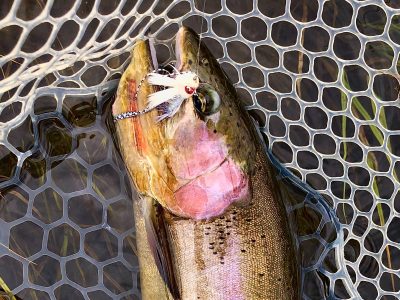
NOW BOOKING STILLWATER TRIPS FOR 2026! EITHER BY SHORE OR BY BOAT, WE HAVE YOU COVERED.
Recommended Fly Patterns
Dry Fly Patterns
- Parachute Adams, sizes #16-20
- Elk Hair Caddis, sizes #14-16
- Hippy Stompers, size #14 - 16
- Parachute Adams, size #10-16
- Foam Beetle, sizes #14-18
Nymph Patterns
- Balanced Leech, Black/Wine sizes #10-12
- Ice Cream Cone Chironomid, Red or Black, sizes #16-20
- Mayers Mini leach, olive, sizes #12-14
- Balanced leach, bruised, sizes #10-12
- Poxyback Callibaetis, size #16
Streamer Patterns
- Wooly Bugger, Olive or Black, sizes #6-10
- Baby Gonga, Black or Tan, sizes #6-8
- Slump Buster, Olive or Natural Tan, sizes #6-8
Anglers Covey Bug Of The MOnth:
in This is an area we specialize and are permitted to guide, so give us a shout if you have any questions or if you are interested in allowing one of our Orvis-Endorsed guides showing you how to conquer Tarryall Reservoir.