
Where to Go South Platte River – Deckers
Current Reports
Open 9 a.m. to 6 p.m. daily
Report Date: 10/3/2026
Conditions:
Streamflows through the Deckers stretch are running low and clear, hovering around 83 CFS. Water temperatures are cooling nicely into the upper 40s to low 50s, creating excellent holding water in the primary runs, tailouts, and deeper buckets. The lower, transparent water makes the trout wary, so approaching pools carefully and staying low along the bank is essential to avoid spooking fish.
Guide Reports:
Mike Haycock - 10/2/2026
Great midge hatch 8:30-11. Slower fishing after that. Fish willing to eat in deeper runs and tailouts during hatch. No egg eaters yet. All fish on light colored midge emergers size 22 and 24.
Kenny Romero - 9/24/2026
Good BWO and PMD action!
Hopper Juan Ramirez - 9/21/26
Flows at 70cfs. Very few PMDs no other bugs. Pretty quite there mid day into late afternoon.
Weather:
Short-Term
The immediate forecast brings mild, seasonal autumn conditions across the canyon. Highs are reaching the mid-60s under mostly clear skies, with morning lows dropping near freezing. Gentle breezes are expected throughout the afternoon, with occasional gusts capable of knocking late-season land insects into the water along grassy banks.
Long-Term
Looking ahead over the next few weeks, typical fall weather patterns will bring cooler days in the 50s and an increase in overcast, cloud-covered afternoons. As water temperatures continue to drop toward winter levels, fish will gradually shift out of shallow riffles and consolidate into deeper, slower wintering holes and long glides.
Hatches:
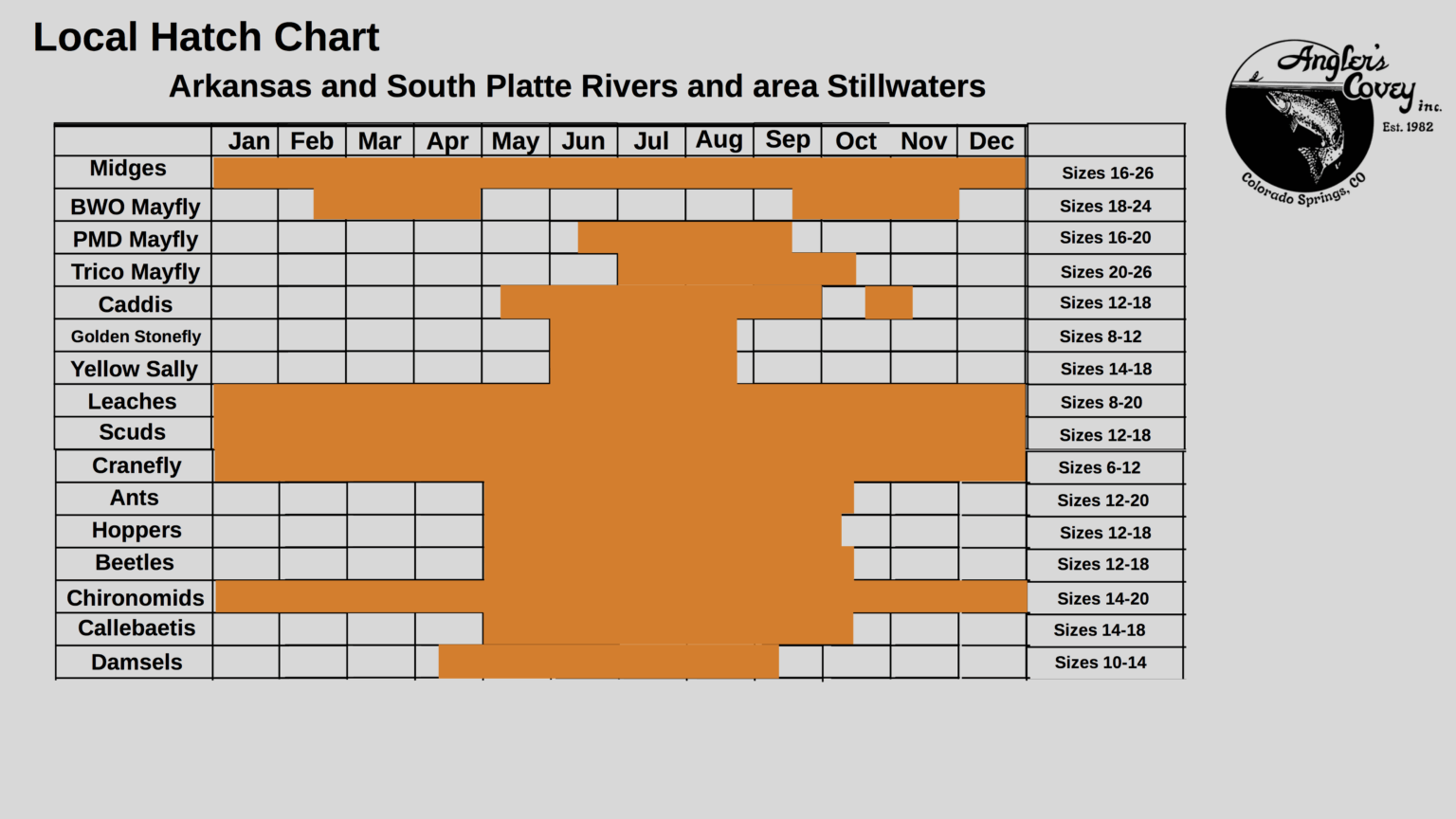
Tiny midges provide the most consistent daily hatch, active from early morning through late afternoon. Overcast days trigger steady Blue-Winged Olive (BWO) activity, particularly during the warmest hours of early afternoon. On bright, breezy days, terrestrial insects like small land ants, beetles, and hoppers still pull fish toward grassy bank margins.
Tactics:
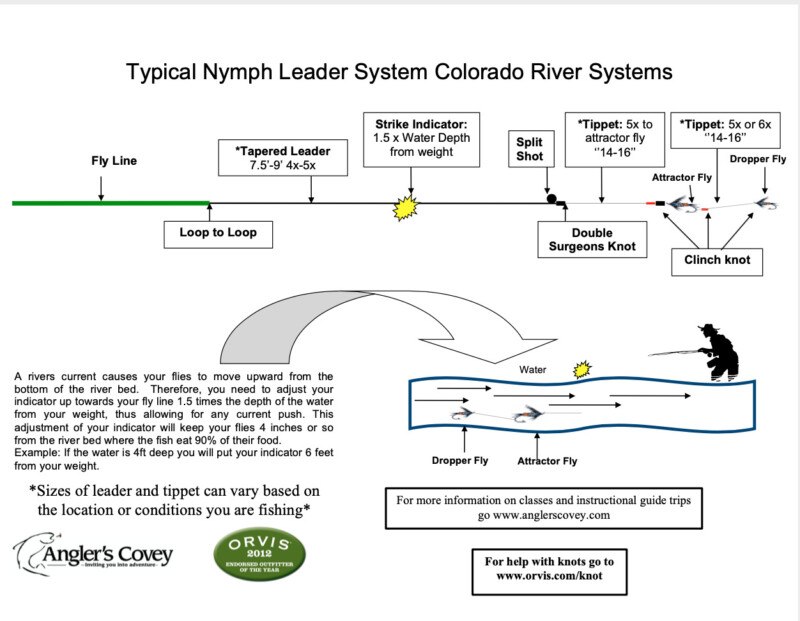
Rig up with subtle two- or three-fly nymph setups beneath small indicators or light yarn. Use long 9- to 12-foot leaders tapered down to 6X or 7X fluorocarbon tippet. A larger, non-flashy attractor or annelid imitation up top works well to sink the rig, followed by small baetis or midge emergers drifting in the mid-to-lower water column. During active hatches, a dry-dropper setup targeting soft foam lines and seam edges is highly effective.
Tips:
Focus heavily on micro-sightings before casting—take a few minutes to read the water and spot feeding fish rather than blind-casting. Minimize hardware on your line by using micro-split shot and tiny indicators to prevent heavy splashes on the water surface. Achieving a completely drag-free drift is critical, as these heavily pressured trout will ignore anything moving unnaturally in the current.
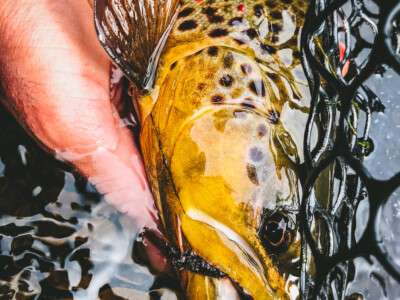
This is an area where we offer guided fly fishing trips. There is no better way to learn an area like the Deckers than hiring one of our Orvis-endorsed professional guides!
Recommended Fly Patterns:
Dry Fly Patterns
- Mole Fly, brown, sizes 20-22
- Extended Body BWO, sizes #18-22
- Griffith's Gnat, sizes #18-22
- Parachute Ant, Black, sizes #18-20
- Bionic Ant, size 14
Nymph Patterns
- RS2, grey, size 20
- Juju Baetis, Black, Olive, or Purple, sizes #18-22
- CDC RS2, Grey or Black, sizes #20-24
- Bling Midge, size 20-24
- Buckskin, size 18-20
- San Juan Worm, Natural Brown, sizes #12-16
Streamer Patterns
- Mini Dungeon, Yellow or Brown, sizes #6-8
- Slump Buster, Olive or Black, sizes #8-10
- Thin Mint Bugger, sizes #8-10
Anglers Covey Bug Of The MOnth:
BE SURE TO CHECK OUT OUR "WHERE TO GO" PAGE FOR DETAILED INFORMATION ON OTHER AREAS!
River Details:
The South Platte River at Deckers was devastated by debris in 2002 from Colorado's largest fire in its recorded history, followed by two huge floods. Since then, Deckers has been making great progress toward recovery, and the debris left over from the fire and floods is being used by caddis to make their cases. The caddis have taken over the river the last few springs. Caddis hatches that rival the famed Arkansas River's "Mother's Day hatch" have happened in Deckers the last four years. It's showing no sign of slowing down.
When the fish aren't coming up to caddis, a tandem nymph rig with typical fare can still be deadly. The summer months can be a lot of fun for anglers who are into throwing streamers and big dry flies. Elk hair caddis, Amy's Ants, stimulators, and foam hoppers such as the streambank hopper are great dry flies to have. Good nymph patterns to carry are: Mercury Pheasant Tails, South Platte Brassies, San Juan Worms, Pat's Rubber Leg Stonefly, RS-2's, Murphy's Bubbleback Midge, Blindside Midges, Buckskins, Top Secret Midges, Medallion Midges, and Black Beauties.
Deckers is also a great winter fishing destination because it is a tailwater. A tailwater fishery is where a river comes out below a dam; consequently, during the winter months the water temps are just warm enough to stay relatively ice-free all year. Sections where the sun hits the water is where you can find feeding fish. This time of year can be the most productive for solitude-seeking anglers who aren't afraid of using light tippets and very small flies.
This is an area we specialize and are permitted in, so give us a shout if you have any questions or if you're interested in allowing one of our Orvis-Endorsed guides show you how best to fish the Deckers area.
South Platte River – Deckers.
Interested in Booking a Trip?
Directions - 40 miles - 49 Minutes
- From Angler's Covey head west on US 24 W/Cimarron St, go 16.7 miles
- Turn right at CO-67 towards Deckers, go 23.1 miles